Projects
Our lab has developed innovative spatial omics methods and generated high-resolution spatiotemporal molecular atlases of post-implantation mouse embryogenesis and brain development. We have uncovered key regulatory networks in pluripotent stem cells and identified novel tissue stem cells with potential for organ regeneration. Our work has been published in leading journals including Nature, Nature Methods, Nature Genetics, Nature Communications, Cell Reports, etc. and has been recognized among the “Top 10 Advances in Life Sciences in China (2019)” and the “Top 10 Advances in Bioinformatics in China (2019).”
Featured
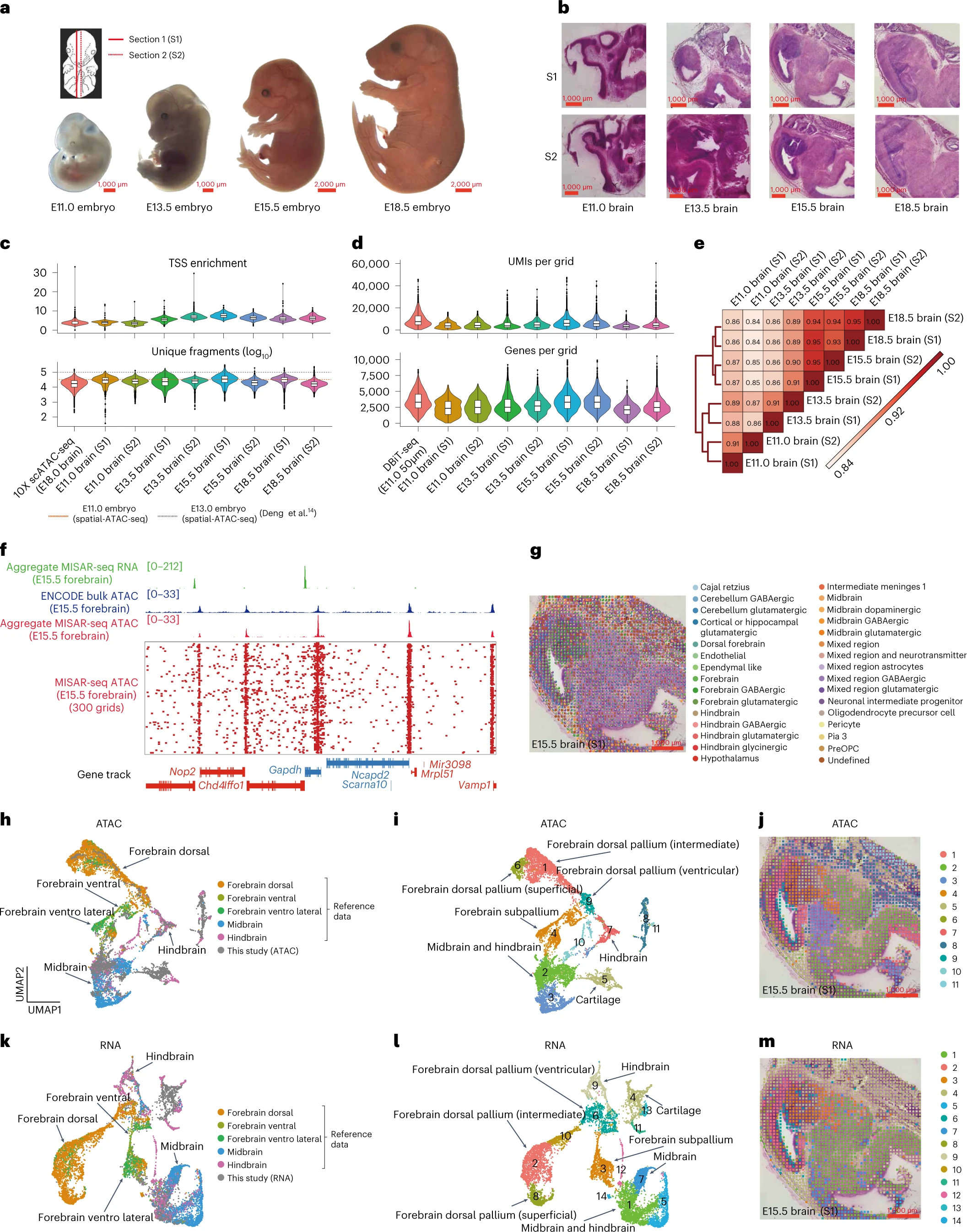
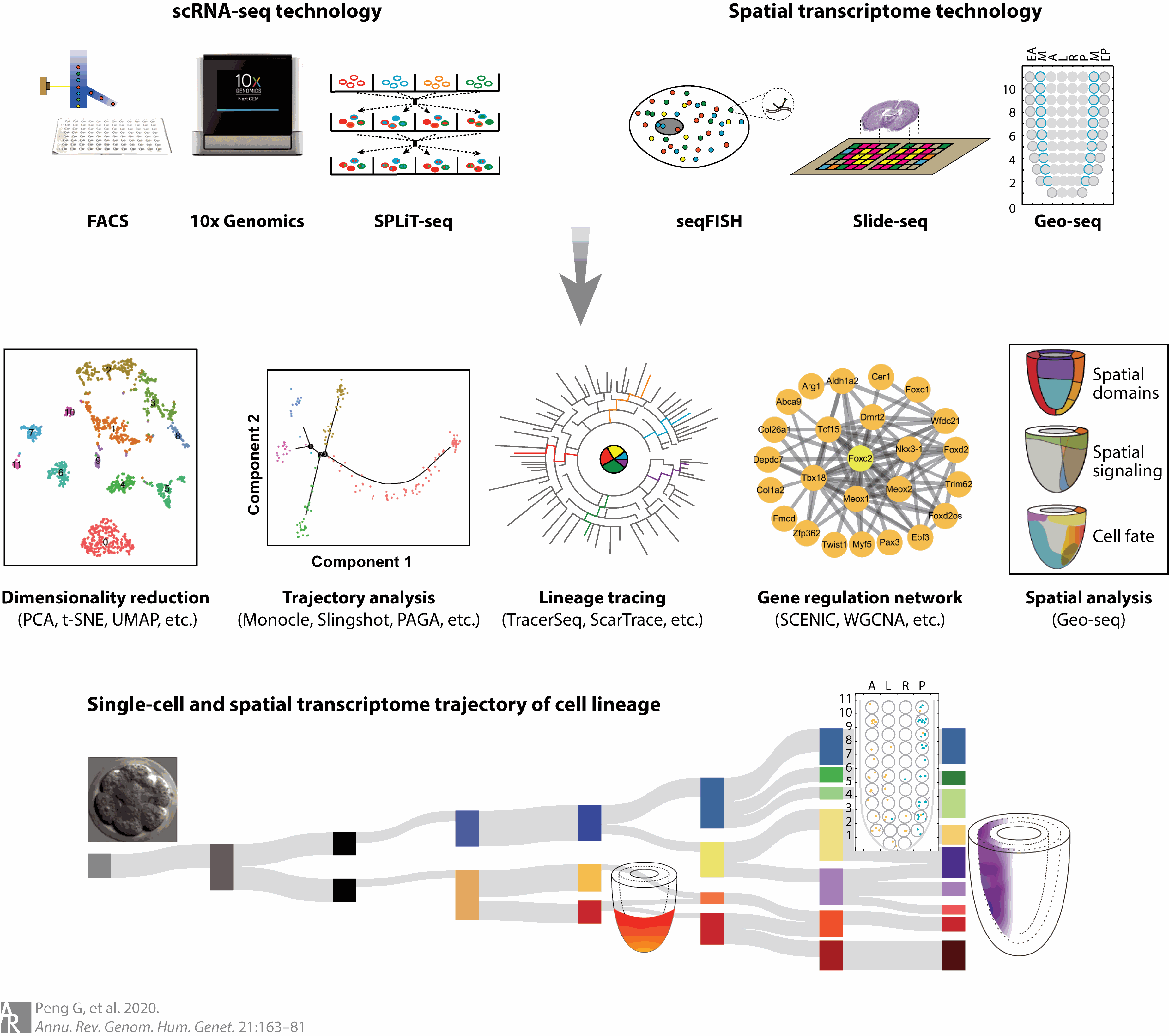
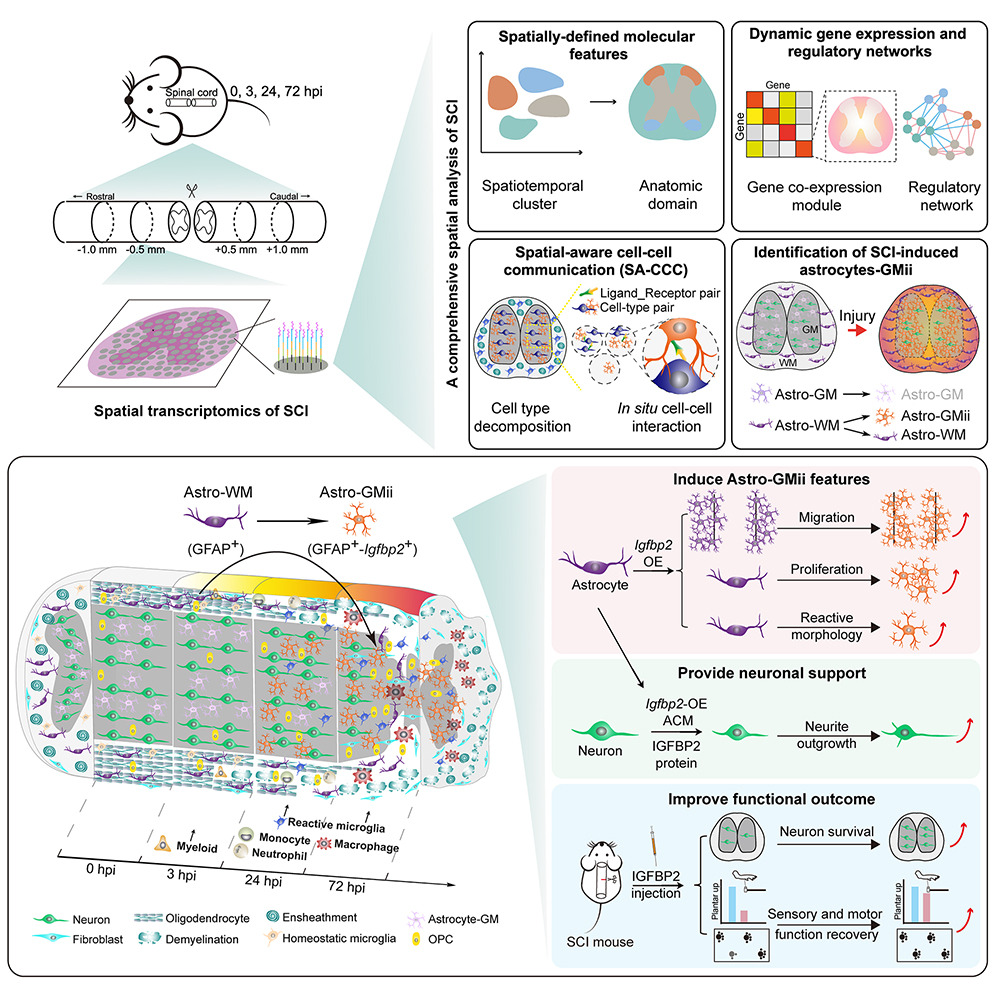
We develop and apply high-resolution novel spatial multi-omics technologies to reveal how cellular fates are shaped by their microenvironment and to decode the spatially organized molecular programs underlying tissue function.
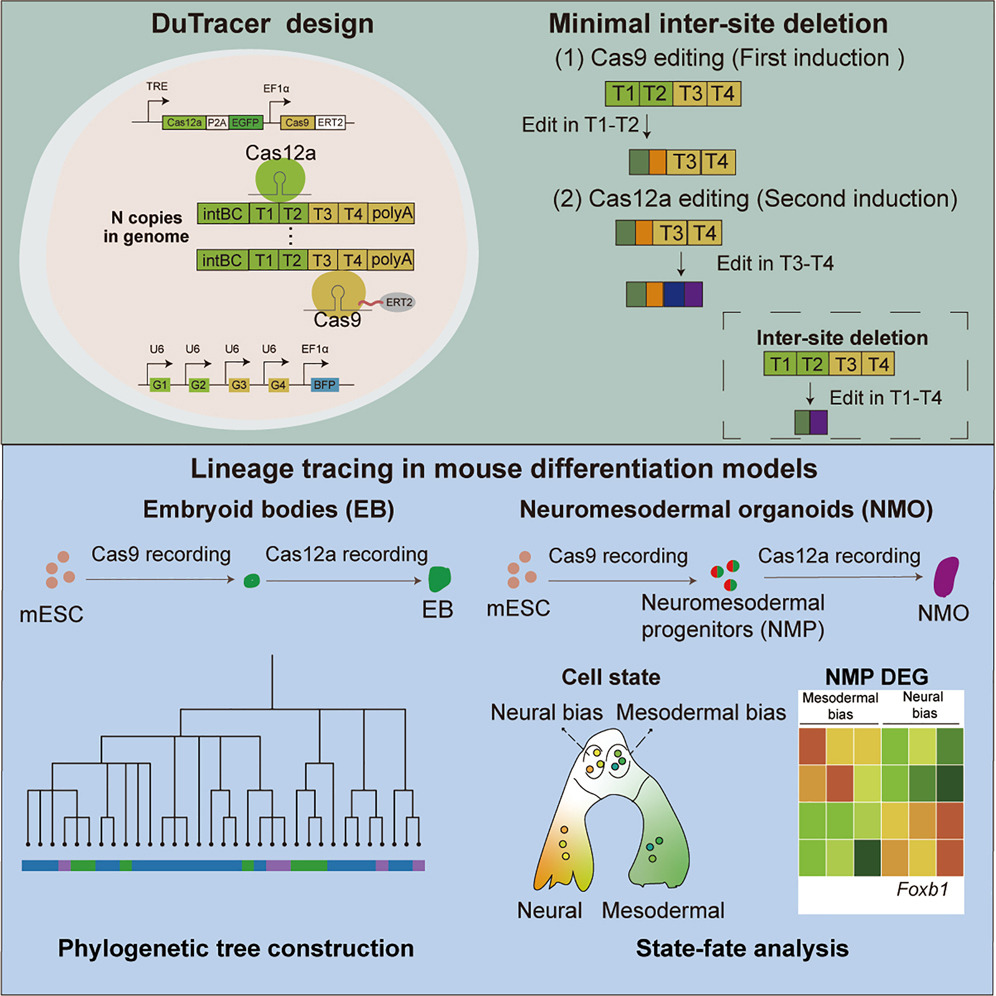
We combine single-cell sequencing, lineage tracking, computational analysis, and AI to dissect cellular heterogeneity, functional diversification, and regulatory networks during development and disease.
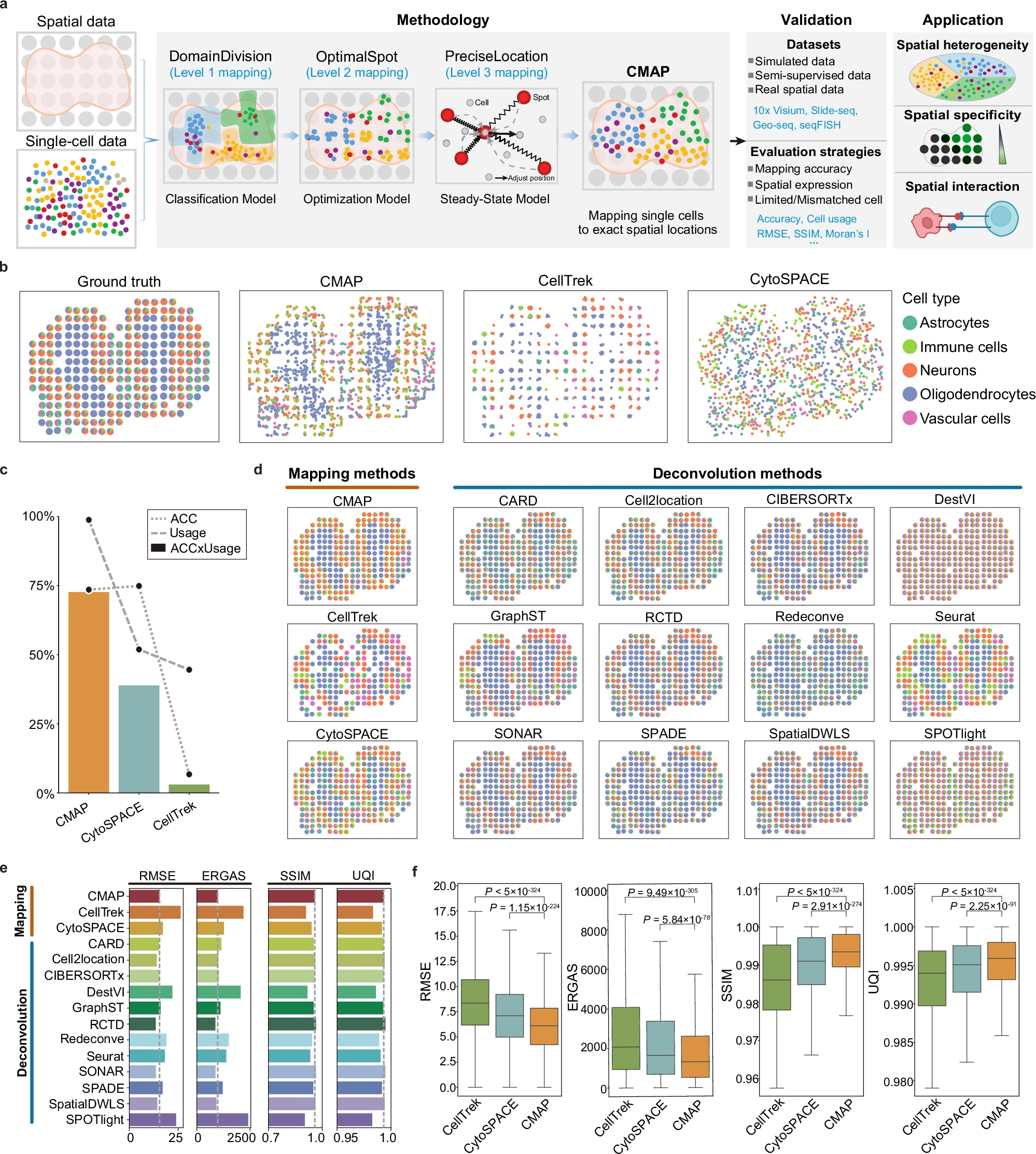
We develop and implement advanced computational algorithms and deep learning frameworks to extract meaningful biological insights from complex single-cell and spatial omics datasets, enabling more accurate modeling of cellular dynamics and interactions.
More
Leveraging insights from cellular lineage mapping, we engineer stem cells and pioneer new approaches for lineage reprogramming, injury repair, and de novo organogenesis.
We engineer human neural organoids to recapitulate key aspects of brain development and disease pathology. These systems serve as powerful platforms for mechanistic studies, drug discovery, and personalized therapeutic screening.